
Article: From Field to Fork: Rethinking Cutlery for Zero Emissions Day

From Field to Fork: Rethinking Cutlery for Zero Emissions Day
Every year on 22 September, Zero Emissions Day asks a simple question: what would it look like to give the planet a day off? For us at Cyclups, that question isn't a marketing hook — it's the north star we're chasing in our lab in 's Hertogenbosch and on every shipping container that leaves our partners' factories.
100% biobased cutlery and straws are often described as the sustainable choice, and they are. But the honest answer is that no single-use product is emissions-free. What matters is where those emissions come from, whether they add net CO₂ to the atmosphere, and what happens to the product after your guest sets it down. That's the story we want to tell this month.
Why the feedstock choice actually matters
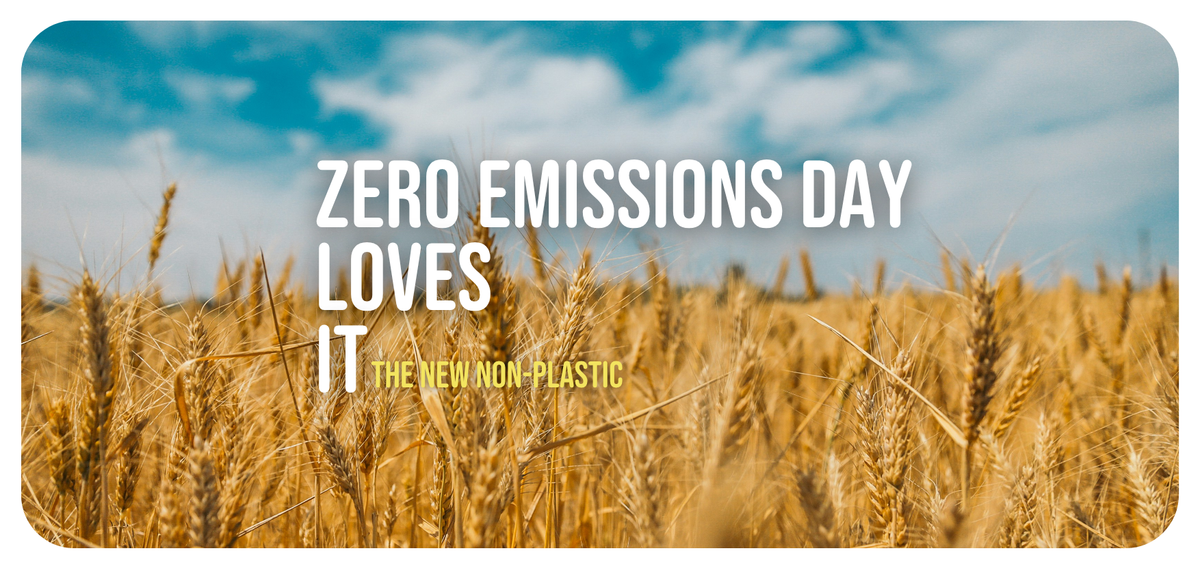
Wheat straw is an agricultural by-product. For decades a lot of it was burned in the field — a practice that many European countries have now restricted because of the air quality impact. By turning that same straw into pellets and then into cutlery, we're capturing carbon that plants pulled out of the atmosphere just months earlier, and we're giving farmers a second revenue stream from a crop they were already growing.
Sugarcane bagasse works on the same principle. It's the fibrous pulp left after juice extraction. Instead of being a waste stream, it becomes a beautifully rigid, heat-tolerant material perfect for cutlery and containers.
What we're working on in The Netherlands
Our new R&D lab in 's Hertogenbosch is where a lot of this comes together in practice. Over the past months our team has been iterating on a wheat-straw pellet formulation with three goals: better mechanical strength (so a fork doesn't buckle in a warm dish of pasta), reliable food-contact certification, and a cleaner processing profile that lowers the energy needed at the moulding stage.
Small tweaks matter. A pellet that flows better through an injection moulder means shorter cycle times, which means less electricity per finished piece. Multiply that by the volumes European hospitality and QSR chains go through in a summer season and the difference in embedded energy is not marginal.
A shorter, more resilient supply chain
The other side of the emissions story is logistics. We've been deepening our work with partners who are investing alongside us in cleaner production and better quality control. Consolidating volumes with a smaller number of trusted producers means fewer half-empty containers and more predictable lead times for our European customers.
It also means we can push improvements upstream faster. When our team spots a formulation change that trims a few grams per unit or shaves minutes off a moulding cycle, that change lands in production runs weeks later — not quarters.
What Zero Emissions Day means for a hospitality operator
If you run a café, a hotel breakfast buffet, or a QSR concept, Zero Emissions Day is a good moment to look at the small, high-volume items on your service line. Straws, stirrers, forks, spoons — they're easy to overlook individually and enormous in aggregate. Switching to certified biobased alternatives is one of the more affordable sustainability moves you can make, and it's one your guests will visibly notice.
We're always happy to talk through what a switch looks like for a specific venue — including the boring but important bits like heat tolerance, shelf life, and how the item behaves in your dishwashing or waste stream.
Reach out at sales@cyclups.com to talk about solutions for your venue. We'd love to hear what you're working on ahead of Zero Emissions Day.
Read more
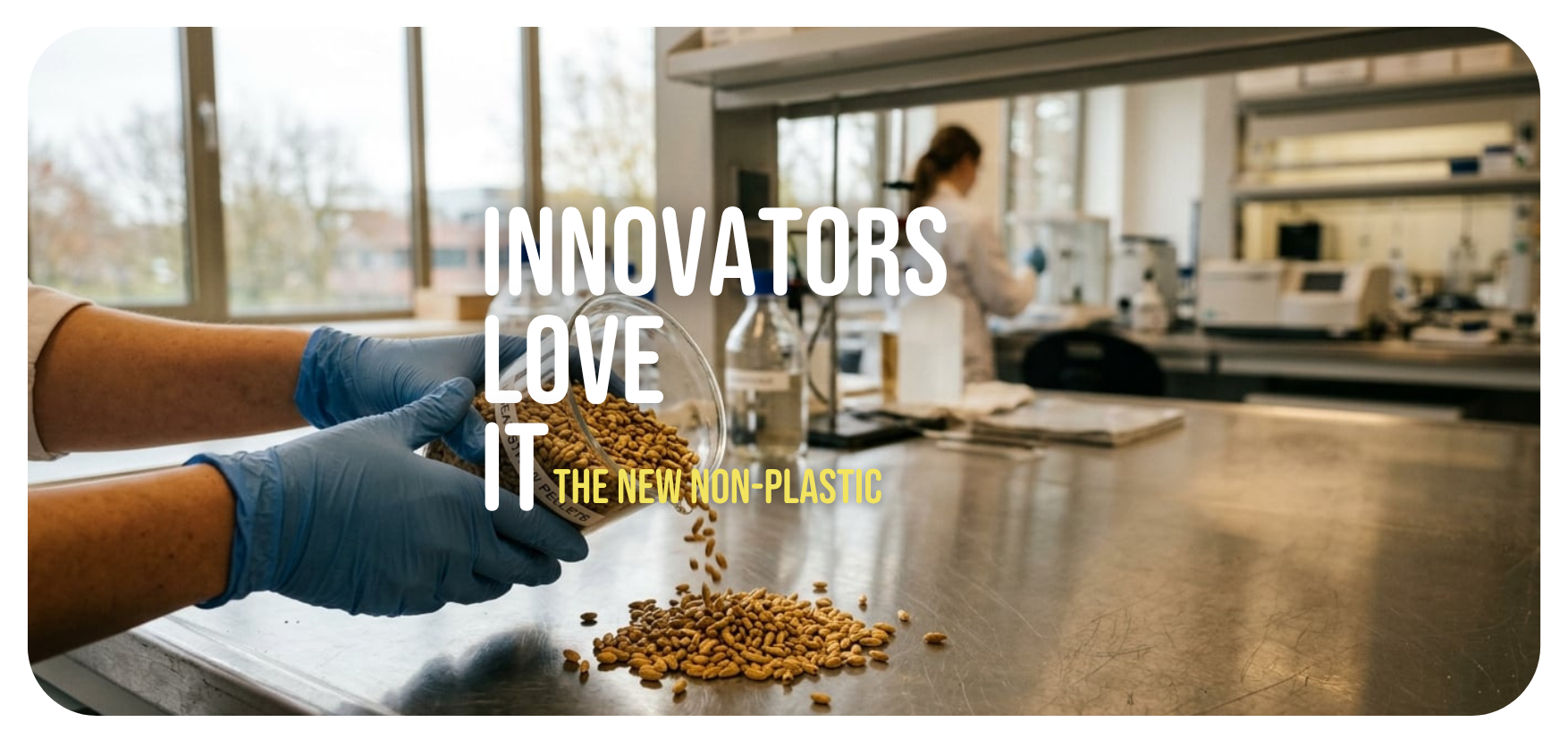
Inside Our Lab: Turning Wheat Straw Into Better Pellets
When people ask us what actually happens inside a non-plastic producing company, we usually point them to two places: the field, where wheat straw is left behind after harvest, and our lab, where t...
Read more
Leave a comment
This site is protected by hCaptcha and the hCaptcha Privacy Policy and Terms of Service apply.